A pile of food photos does not automatically become a food journal. A record worth revisiting should tell you at least three things: this was a meal you actually ate, these were the main foods, and this is when it happened. Separating menu screenshots and casual snapshots from real meals—and keeping the scope and names of your entries consistent—matters more than building a complicated set of albums.
Your camera roll remembers the scene, not what it was
When you find a photo from six months ago, you may remember the light that day but not whether the bowl held sour soup noodles or tomato rice noodles. A camera roll is good at saving time and place. It does not automatically separate “I ate this,” “I want to eat this,” and “I happened to photograph this.”
So the first step is not making the collection look polished. It is deciding what belongs in it. Add only food you actually ate to your food log. Menu screenshots, takeout listings, photos from friends, and saved restaurant ideas can stay in your camera roll without becoming part of your meal history.
Keep the boundaries of a meal reasonably consistent
If one photo represents a whole meal while another dish becomes four separate entries, the record becomes difficult to compare after a few weeks. A simpler rule is to treat one everyday meal as one entry. For hot pot, buffets, or meals served in several rounds, add another entry when needed.
This is not about being fussy with formatting. Consistent boundaries let you look back at a day and know whether you had three complete meals or saved three close-ups from the same one.
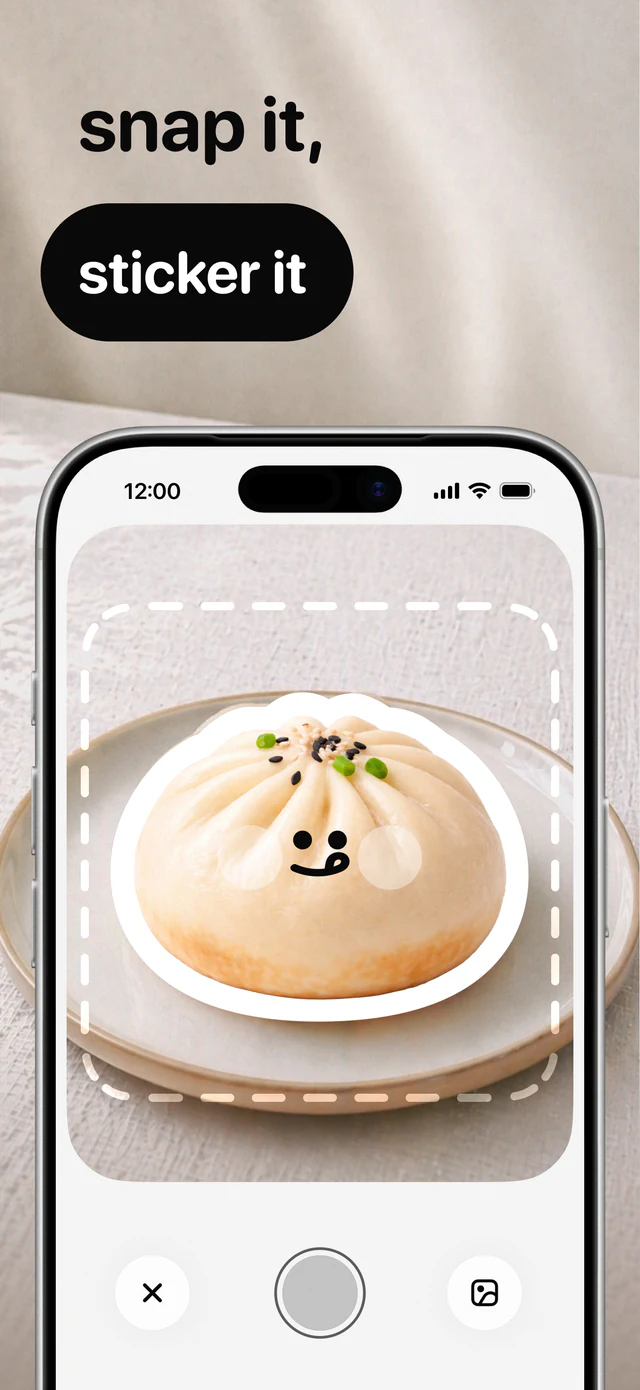
In nosh, you can take a photo or import one from your camera roll. AI identifies the foods, estimates portions and nutrition, and creates food stickers. The photo preserves how the meal originally looked; the sticker and food name make it faster to recognize later. Each has a different job: a sticker should not replace the original photo, and it does not make the nutrition estimate more accurate.
Use names that bring the meal back to mind
Names such as “noodles,” “combo,” or “lunch” are too broad to remain useful. “Shanghai-style braised pork with dried bamboo shoots and a secret sauce” may be more detail than you actually know. The most useful name is usually somewhere in between: tomato and egg noodles, curry chicken rice from the office cafeteria, or homemade mushroom wontons.
If AI gets the food wrong, correct the main name first. An uncertain portion does not stop the entry from becoming a reliable memory cue. A correct dish name is often more useful than a calorie number precise to the last digit but matched to the wrong food.
Keep a little context without turning the log into an essay
Sometimes the part worth remembering is not the food itself, but “the first time I made this,” “a work trip to Chengdu,” or “Mom’s dumplings.” Add one short note when it matters. Location, dining companions, and your mood can be private, so completeness does not require writing down everything.
Food photos can also capture faces, employee badges, shipping labels, your home, or receipts. Check the edges before uploading. Crop out irrelevant or sensitive details you did not mean to keep. A food journal should help you remember your life, not quietly collect information you never wanted to save.
Do not delete photos just because they are not beautiful
A half-eaten plate, yellow lighting, or ordinary presentation does not make a meal less real. If your journal contains only weekend restaurants and polished desserts, it will quietly remove much of everyday life.
What harms the record is a photo attached to the wrong entry, the same meal saved several times, or an obviously incorrect food name. Fix those first. Composition and tidiness can come later. A food journal is not a portfolio. It is a visual memory, and ordinary meals count too.
Ask one question each time you look back
You do not need to review every nutrition field at once. Ask which breakfast appeared most often this month, or which recent meal brings its day back immediately. Food stickers in nosh make meals easier to scan, while the original photos and entries bring back the details.
Once a pile of photos has clear meal boundaries, trustworthy names, and consistent timing, it stops being material scattered through your camera roll and becomes a food journal that belongs to you.