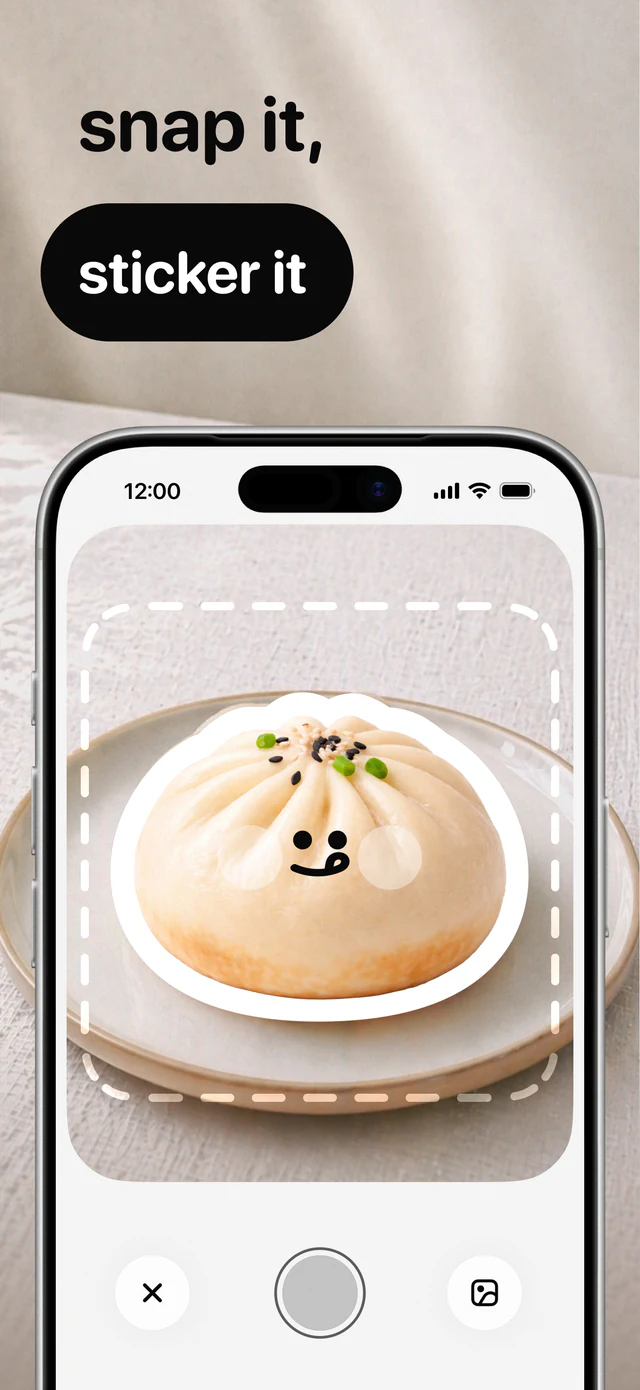
You do not need a filter or a restaurant-style shot to help AI recognize food. It is more useful to show the whole meal and its container, keep packaging and hands from covering the food, use enough light, and avoid placing the camera too close. A mostly overhead angle works for flat plates. For deep bowls and taller foods, include a little of the side so the image shows both area and height.
When you photograph a meal in nosh, more complete visual clues make it easier for food names and portions to fall within a reasonable range. Better framing can reduce some errors, but a photo still cannot reveal hidden oil, sugar, fillings, or exact weight.
A useful food photo should answer three questions
First: What is it? Show the main shape of a chicken leg. Do not leave only the top slice of bread visible on a sandwich or cover most of the food with its wrapper.
Second: Roughly how much is there? Keeping the rim of the plate, takeout box, or cup in frame is more helpful than zooming until the food fills the image. At very close range, a small bowl of rice can look like a large serving bowl.
Third: How tall is the food? An overhead photo shows surface area well but flattens height. Photograph salads, bread, rice-bowl toppings, and noodles in deep bowls from a slight angle so some of the side remains visible.
The photo does not need to be beautiful. It needs to communicate these three kinds of information.
Plates, deep bowls, and drinks need different angles
For rice, chicken breast, and broccoli on a flat plate, a mostly overhead angle usually shows how much space each food occupies and reduces overlap. Keep the full rim visible instead of cropping to the most appealing part.
From directly above, a bowl of beef noodles may show only broth, noodles, and a few slices of beef—not the depth of the bowl. Lower the angle slightly to include the rim and food height. Do not go so low that the rim blocks the contents.
For drinks, show the full cup or bottle. Keep the packaging label when there is one; capacity, brand, and flavor often say more than the color of the liquid. A photo of only the opening cannot easily distinguish a small latte from a large milk tea.
Do not rush to move takeout onto your own plate
The box, compartments, and package label are useful clues. In its original container, a rice bowl shows how much space belongs to rice and toppings. Moved into a deep plate, everything may pile up and the boundaries become less clear.
Set the full container flat, open lids and bags that obstruct the food, and include the staple, sides, and drink. If sauce comes separately, keep it in the frame so it does not vanish from the log.
What happens after the photo matters too. If the photo shows a full box of rice and one-third remains, adjust the entry to what you actually ate. The image records what arrived, not the final intake.
Use enough light, but do not change the food with filters
Backlighting, dim rooms, and heavy shadows hide edges and make similar-colored foods harder to separate. Moving the plate into more even light or avoiding the shadow of your phone is usually enough.
Food filters are unnecessary. They change color and contrast—braised pork may look redder and clear soup more yellow—without adding real information. Cleaning the camera lens often helps more than choosing a filter.
If you only have time for one photo
Prioritize one clear image of the full meal: show the complete container, keep the main foods unobstructed, and do not leave drinks or sides outside the frame. For a mixed rice bowl or salad, adjust the known final amount afterward—for example, half the sauce packet used or one-third of the rice left.
nosh supports new photos and camera-roll imports. Without a suitable photo, you can log with text or voice. After recognition, you can edit the name, calories, portion, and log time. A clear image supplies the first set of clues; a quick review fixes obvious mistakes. Together, they are more useful than repeatedly taking five angles.
A better photo will not make AI suddenly know everything. It simply hides less and distorts less, so the meal looks more like itself. With nosh, capture something useful first, then get back to eating.